

Introduction:
Imagine you’re the owner of a small home decor store. You’ve spent years curating beautiful, unique furniture pieces, wall art, and accessories that bring warmth and style into people’s homes. Your products have a loyal following, but lately, fewer customers have been walking through your doors. The question starts to nag at you: How can I expand my reach? What if you could sell your products to people beyond your neighborhood, across the country, or even around the world?
This is where e-commerce comes in. By launching an online store, you can unlock new growth opportunities and reach a global customer base. E-commerce is more than just a trend — it’s a game-changer for small businesses looking to scale. Whether you're just getting started or trying to expand your existing business, this blog will outline 9 reasons why e-commerce is essential for small business owners, especially those in the home decor industry.
1. Increased Reach and Visibility
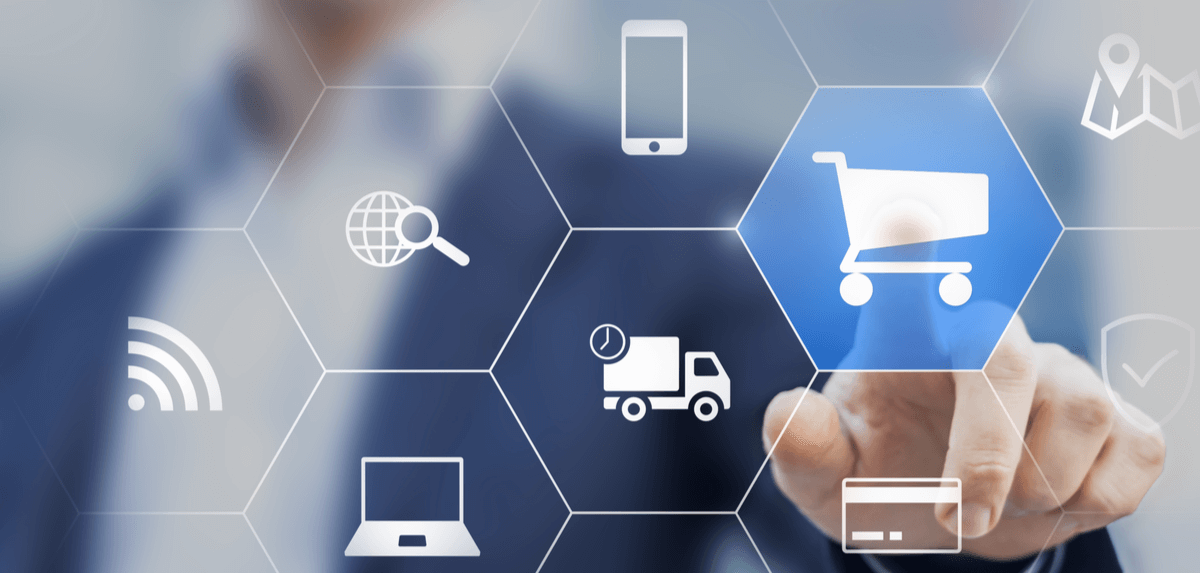
Running a brick-and-mortar home decor store means you’re reliant on foot traffic and local customers. But an e-commerce store allows you to extend your reach far beyond the walls of your physical store. Think of your online store as a digital showcase open to the entire world. Whether you’re selling stylish area rugs, modern furniture, or unique decorative items, your e-commerce website gives you the opportunity to reach customers from every corner of the globe.
Take the example of a client, Sophie, who owned a small home decor shop that specialized in handcrafted throw pillows. Before moving online, her sales were limited to customers who visited her store on weekends. After launching her e-commerce site, Sophie began receiving orders from across the country and even internationally. Her reach expanded, and her business grew by over 40% in just a few months.
Why it matters:
- Global Market Access: Sell your products to customers around the world, opening up endless opportunities.
- 24/7 Availability: Your store is always open, so customers can shop at their convenience.
- Targeted Marketing: E-commerce platforms allow you to target specific customer segments, increasing your chances of attracting ideal buyers.

2. Lower Operational Costs
Operating a physical store comes with numerous costs — rent, utilities, and staff salaries. For small businesses, these expenses can quickly eat into profits. However, by transitioning to e-commerce, you can significantly lower many of these operational costs.
Consider the example of “The Home Nest,” a small home decor store that was spending a large chunk of its budget on rent in a high-traffic area. After launching their e-commerce website, the store owner decided to reduce their physical space, saving money on rent and utilities. The savings were reinvested into digital marketing, improving their website design, and expanding product offerings.
Why it matters:
- Reduced Overheads: You can cut down on expenses like rent and utilities that are typical for physical stores.
- More Budget for Growth: Savings can be allocated to things like digital advertising, inventory, and customer service enhancements.
- Efficient Scaling: You can grow your business without the need for additional physical locations.

3. Better Customer Insights and Data Analytics
E-commerce platforms offer incredible tools that allow you to track and analyze customer behavior. This is something a physical store simply can’t provide. By using data, you can better understand your customers’ shopping habits, which products are most popular, and when customers are most likely to make purchases.
For instance, I worked with a home decor store that initially struggled to identify which products resonated most with their audience. But after using tools like Google Analytics, they discovered that customers were most interested in vintage-style furniture, and they tended to buy during late-night hours. Armed with this information, the store owner adjusted their marketing campaigns to target evening shoppers and featured vintage furniture in their promotions. As a result, their sales increased by 25%.
Why it matters:
- Data-Driven Decisions: Understanding customer behavior allows you to make informed choices about product offerings and marketing strategies.
- Better Inventory Management: Track which products sell best, allowing you to manage stock and reduce overstocking.
- Personalized Experience: Use customer data to send personalized recommendations, driving higher conversion rates.
4. Enhanced Customer Experience and Convenience
Customers expect a smooth, hassle-free shopping experience, and e-commerce delivers just that. With a well-designed website, users can easily browse through products, make secure payments, and even track their orders. Plus, e-commerce allows you to offer services like flexible payment options, live customer support, and easy returns — features that physical stores simply can’t match.
I helped a home decor business owner streamline their website, and one of the most significant changes was offering an easy-to-use product filter system that allowed customers to search by style, color, material, and price range. This made it easier for customers to find exactly what they were looking for. The results? A higher conversion rate and more satisfied customers who left positive reviews.
Why it matters:
- Simplified Shopping: An intuitive website design makes it easy for customers to find and purchase what they need.
- Multiple Payment Options: Customers appreciate flexibility, whether it’s credit card, PayPal, or installment plans.
- Responsive Customer Support: Live chat features and prompt customer service can boost satisfaction and loyalty.
5. Scalability and Flexibility
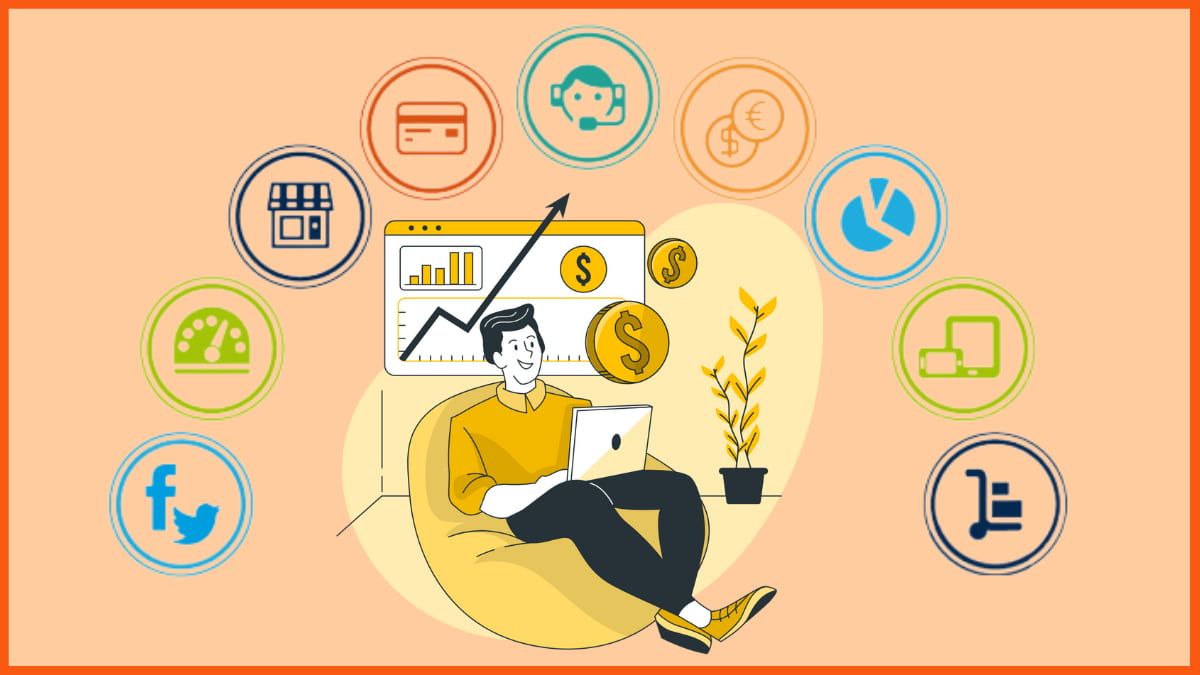
As your business grows, your online store can grow with it. E-commerce platforms allow you to easily add new products, create new categories, or even integrate additional sales channels like social media or marketplaces. Scaling your business online is far easier and more cost-effective than scaling a physical store.
Let’s say you run a home decor store that sells everything from lamps to wall mirrors. As your business grows, you can expand your product range or add seasonal collections. You can also introduce a subscription service for home decor items, allowing you to build a recurring revenue stream. The flexibility of e-commerce makes it easy to adapt and grow with changing market conditions.
Why it matters:
- Easy Expansion: Add new products or expand into new markets without major logistical hurdles.
- Multiple Revenue Streams: Consider offering subscription services, digital products, or bundles to increase revenue.
- Adaptability: E-commerce allows you to quickly adjust your business model based on market trends.

6. Increased Sales Opportunities
E-commerce creates endless opportunities for increasing your sales. You can implement upselling strategies, offer product bundles, or create special promotions that encourage customers to buy more. For instance, if a customer adds a dining table to their cart, you can recommend complementary items like matching chairs, placemats, or tableware.
One small home decor store I worked with began offering “room inspiration” sections on their website, where customers could view entire room setups, complete with matching furniture and accessories. This not only helped customers visualize how the products would look in their own homes, but it also encouraged them to buy additional items to complete the look. As a result, the store increased their average order value by 30%.
Why it matters:
- Upselling & Cross-Selling: Recommend complementary products to increase sales per transaction.
- Bundled Offers: Bundle products together at a discount to encourage customers to purchase more.
- Seasonal Promotions: Run sales or offer discounts during key times (e.g., holidays) to drive sales.
7. Effective Customer Retention
In e-commerce, it’s not just about attracting new customers; retaining them is where the real value lies. Implementing loyalty programs, offering discounts for repeat customers, or sending personalized follow-up emails can significantly increase customer retention.
For example, a small home decor store I helped launched a loyalty program where customers earned points for every purchase, which they could redeem for discounts or exclusive items. They also personalized email campaigns, recommending new products based on customers' previous purchases. This approach led to a 40% increase in repeat purchases within six months.
Why it matters:
- Loyalty Programs: Reward customers for returning with discounts, points, or exclusive offers.
- Personalized Marketing: Send targeted emails based on customers’ shopping behavior to keep them engaged.
- Customer Feedback: Collect reviews and feedback to improve customer satisfaction and build loyalty.

8. Competitive Advantage
In today’s competitive market, having an e-commerce store gives you a significant edge over those relying solely on brick-and-mortar locations. An online presence levels the playing field, giving you the opportunity to showcase your products, build a brand, and stand out from larger competitors.
Consider a small home decor shop competing with big-box retailers. By focusing on personalized customer service, unique products, and a well-designed website, they can differentiate themselves from the competition. Their strong online presence and focus on niche markets allowed them to carve out their own space in the industry.
Why it matters:
- Increased Visibility: Customers are more likely to discover your business online than by walking past your store.
- Differentiation: Your website, product offerings, and customer service help you stand out from larger competitors.
- Customer Trust: A professional online store fosters trust, and a strong reputation can attract customers from your competitors.

9. Marketing and Brand Building Opportunities
One of the greatest advantages of running an e-commerce store is the ability to market your business directly to your ideal audience. Social media, email marketing, content marketing, and paid ads can all be used to increase your brand visibility and attract new customers.
For example, a home decor store I helped started showcasing their products on social media platforms like Instagram and Pinterest, where people share their home styling ideas. They also started a blog that offered home decor tips, tutorials, and room styling inspiration. This content attracted a loyal following, which translated into increased website traffic and sales.
Why it matters:
- Brand Awareness: Use social media and other digital channels to build your brand and attract your ideal customers.
- Content Marketing: Share helpful, relevant content that adds value to your customers’ lives and increases engagement.
- SEO and Ads: Optimize your website for search engines and run targeted ads to drive traffic.
Conclusion:
From reaching a global audience to lowering operational costs, from gaining valuable customer insights to offering better customer experiences, the benefits of e-commerce for small businesses are undeniable. If you're a business owner, now is the perfect time to take your store online and unlock all the possibilities the digital world offers.
So, what are you waiting for? The future of your business is online, and it’s time to take the leap. Your customers are waiting for your products — and now, with e-commerce, they can find you no matter where they are. Need Help? Contact Site Magnetics to get a reliable and affordable website development and marketing services.