


Introduction: Turn your website into a sales-driving machine
Picture this: You’ve finally launched your e-commerce business, and the excitement is palpable. After months of planning, sourcing products, and building your brand, you’ve poured everything into creating the perfect website. The colors are right, the images are stunning, and the product descriptions are clear. But here’s the catch—visitors are browsing your site, but the sales aren’t coming in.
It’s frustrating, isn’t it? You’ve created something beautiful, but it’s not driving the results you expected. The truth is, many entrepreneurs face this exact issue. A great-looking website doesn’t always translate into customer engagement or increased conversions.
So, what’s missing? The secret is engagement. Your website needs to do more than just look good—it needs to captivate your visitors, guide them seamlessly, and make them feel like they’ve discovered something special. In this blog, we’ll uncover the key elements of creating a website design that not only attracts visitors but keeps them coming back, turning casual browsers into loyal customers.
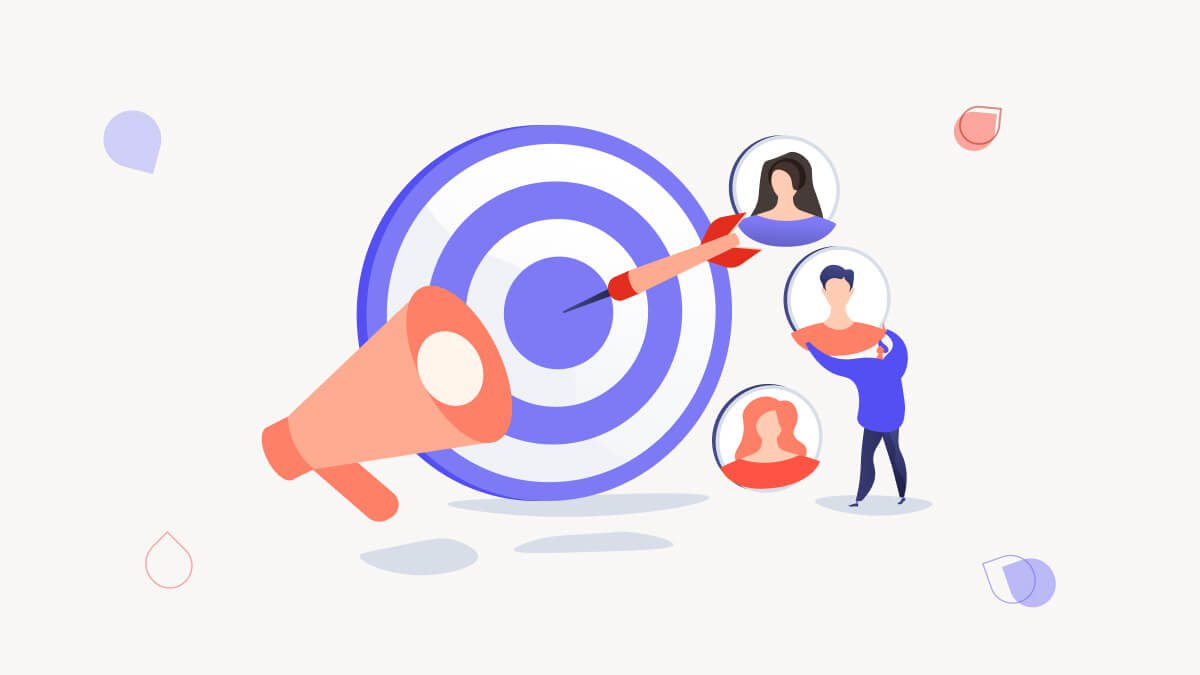
1. Understand Your Audience: The Heart of Your Website
You wouldn’t open a physical store without knowing who your customers are, right? The same goes for your website. Understanding your audience is the first—and most important—step in creating an engaging design.
Let’s take a moment to meet Sarah, an e-commerce business owner who launched her handmade jewelry store last year. She spent days tweaking product descriptions, photographing her pieces, and designing the perfect logo. But after her website went live, the sales didn’t pour in as she expected. She had no idea why people were visiting but not converting.
Sarah realized her mistake: she never took the time to truly understand her audience. She hadn’t researched who was likely to buy her jewelry. Was it young professionals? Brides-to-be? Mothers searching for gifts? Without clear audience personas, her website simply couldn’t speak to their specific needs.
Solution? Sarah got to work developing audience personas—understanding who they were, their shopping habits, and what kind of experience they were seeking. With this insight, Sarah redesigned her website to appeal directly to her target customers, using language and visuals that spoke to their desires.
Key Takeaways:
- Define your audience using demographic details: age, interests, and buying behavior.
- Create customer personas to guide design choices—everything from colors to the tone of your website copy.
- Ensure your design speaks to your audience's specific needs and pain points.
By tailoring her website design to the specific needs of her customers, Sarah saw her website’s bounce rate decrease and her sales increase steadily over time.
2. Create a Clear and Intuitive Navigation: Like a GPS for Your Users
Navigating a website should be as easy as following a well-marked path. If your website’s navigation is confusing, your visitors will quickly get lost and leave. Think of your website’s navigation as the signposts on a hiking trail—if the signs are clear, people will continue on their journey with confidence.
Let me introduce you to James, who runs an e-commerce store selling custom athletic wear. His website was visually appealing, but users were struggling to find products, especially in his large catalog. Customers were getting frustrated and abandoning their carts before completing their purchase. His navigation was cluttered, and users didn’t know where to look for what they needed.
James worked with our team to simplify his site’s structure. We recommended that he reduce the number of menu items and make the “Shop Now” section easy to find. We also suggested clear categories for different types of products, like leggings, shirts, and jackets, each with subcategories for color and size.
Within weeks, the results were undeniable. His bounce rates dropped, and conversions skyrocketed.
Key Takeaways:
- Keep your website’s navigation simple and intuitive—think of it like a map that guides your visitors easily from one section to the next.
- Group related content and products together, so users can find what they need quickly.
- Test navigation on mobile and desktop to ensure it’s responsive.
Just like James, you can guide your visitors to where they want to go, reducing frustration and keeping them engaged.
3. Embrace Mobile-First Design: Your Customers Are on the Go
In today’s world, your website needs to cater to users on the go—especially your e-commerce customers. More than 50% of online purchases are made from mobile devices. If your website isn’t optimized for mobile, you’re potentially losing more than half of your audience.
Let’s revisit Sarah’s story. After refining her audience personas, she was still facing challenges with her mobile users. Her site looked great on desktop but was difficult to navigate on smartphones. Buttons were too small, and the pages took forever to load. Sarah quickly realized that her website wasn’t mobile-first, and it was turning away a significant portion of her potential customers.
Solution? Sarah revamped her design with a mobile-first mindset. She made sure that buttons were touch-friendly, images loaded quickly, and her website was fully responsive. Her mobile traffic grew, and so did her conversions.
Key Takeaways:
- Design with mobile users in mind first—ensure the site is responsive and loads quickly.
- Prioritize fast-loading images and easy-to-click buttons for a smooth mobile shopping experience.
- Test on various devices to ensure a seamless experience.
By following Sarah’s lead, your website can perform just as well on mobile devices as it does on desktops, unlocking an entire audience you might have been missing.
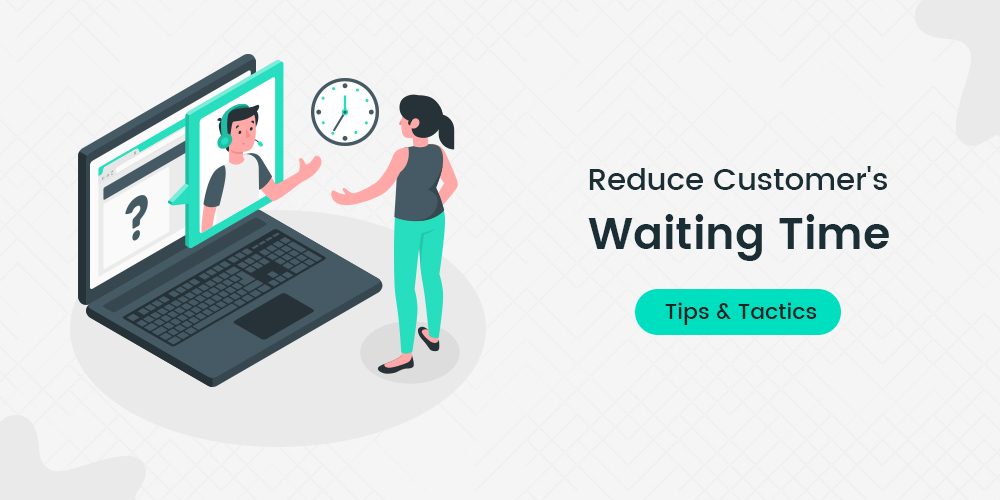
4. Focus on Fast Loading Speeds: Don’t Keep Your Customers Waiting
Imagine standing in a long line at a coffee shop, only for the barista to take forever to make your drink. You’d probably leave before your order was ready. The same applies to your website—if your pages load slowly, visitors won’t wait around.
Take Lily, another e-commerce store owner, who specializes in custom home decor. She’d noticed her site wasn’t converting as well as she’d hoped. After investigating, she found that her website was loading incredibly slowly due to large, unoptimized images. Visitors were losing patience and bouncing off her site before making a purchase.
Lily worked with our team to optimize her images, implement caching, and reduce unnecessary code. We also ensured her hosting provider offered the speed her site needed.
Within weeks, Lily saw a huge improvement in both user experience and conversion rates.
Key Takeaways:
- Speed is crucial—aim for a page load time of under 3 seconds.
- Compress images and use caching to speed up your site.
- Test your website using tools like Google PageSpeed Insights to identify areas for improvement.
By making these adjustments, Lily turned her slow website into a fast, efficient sales machine, keeping her customers happy and engaged.
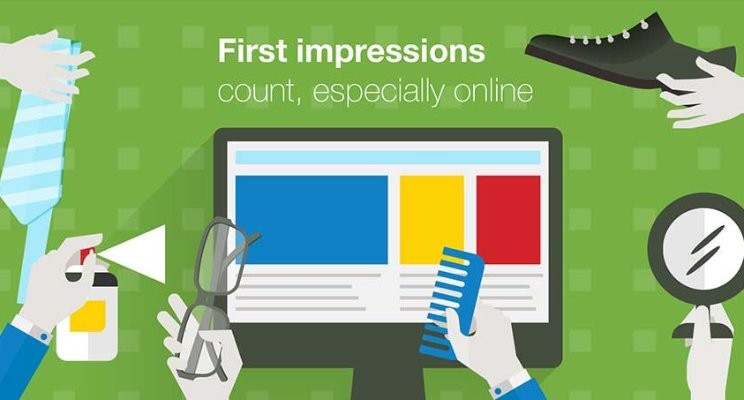
5. Incorporate Engaging Visuals and Content: Your Website’s First Impression
A picture speaks a thousand words. A well-designed e-commerce website is not only about functionality—it’s about creating an experience. Visuals and content are your opportunity to connect with your audience on an emotional level and draw them into your brand’s story.
Consider Mark, an e-commerce entrepreneur who sells premium men’s grooming products. His website was functional, but it lacked personality. The images were stock photos, and the copy didn’t convey the luxury and quality of his brand. Mark knew he needed to create a connection with his audience, but his website just didn’t feel authentic.
We worked with Mark to curate high-quality, brand-aligned visuals and wrote compelling, persuasive product descriptions. We also incorporated customer reviews and testimonials to build trust. His website went from feeling like a generic store to a personalized shopping experience.
Key Takeaways:
- Use high-quality, authentic images that reflect your brand’s personality.
- Write compelling, engaging copy that speaks to your audience’s desires and needs.
- Leverage customer testimonials and reviews to build credibility.
With the right visuals and content, Mark’s website became a destination that people wanted to visit and engage with.
Conclusion: Your Path to Success
Designing an engaging website isn’t just about aesthetics—it’s about crafting an experience that speaks directly to your audience’s needs, makes navigation effortless, and creates a fast, seamless path from curiosity to conversion.
The stories of Sarah, James, Lily, and Mark show that creating an effective e-commerce site requires a deep understanding of your audience, mobile-first design, fast loading speeds, and engaging content. When done right, your website will not only attract visitors but also convert them into loyal customers.
Now, ask yourself—Is your website truly engaging? Or is it time to level up?
If you’re ready to take your e-commerce site to the next level, Site Magnetics is here to help. Let’s work together to create a website that drives success, builds trust, and keeps your customers coming back for more.