


Introduction: A Glimpse into the Future
Picture this: You’ve just launched your e-commerce store, filled with excitement and the promise of success. Your website looks polished, your product range is spot-on, and you’ve invested in the best CMS to give you the edge. Yet, after a few weeks of hard work, you’re left staring at low traffic and stagnant sales. The dream of building a thriving online business feels like it’s slipping away.
Does this sound familiar? You're not alone. Many business owners face this same frustration when starting out in the competitive world of e-commerce. But here’s the thing—your store isn’t failing because the market’s too crowded or because your products aren’t good enough. It’s because the digital landscape is evolving rapidly, and without adapting to the latest trends, even the best-laid plans can fall short.
This blog is here to change that. I’ll walk you through the game-changing trends that are shaping the future of online retail. These trends are not just buzzwords—they are the strategies that will help your e-commerce business stand out, stay relevant, and thrive in an ever-changing market. Whether you’re just starting out or looking to optimize your existing store, understanding these trends will give you the tools you need to succeed in the future of e-commerce.
Ready to build a store that grows with the times? Let’s dive in.

1. AI and Machine Learning: Your New Secret Weapon for Personalization
It’s 2025, and AI isn’t just for the tech giants. Even small businesses like yours can leverage machine learning to deliver a personalized shopping experience that feels bespoke. But how exactly can this help?
Let’s paint a picture. Meet Sarah. She owns a small online boutique that sells hand-crafted jewelry. Sarah’s store has some loyal customers, but she struggles to grow beyond her current base. One day, after some research, Sarah learns that businesses like Amazon are using AI to suggest products tailored to each user. Intrigued, Sarah decides to implement an AI-driven recommendation engine on her website.
Almost overnight, things start to change. Customers who visit her site now see personalized recommendations based on their browsing habits, and those who’ve bought from her before receive curated emails suggesting new arrivals. She starts noticing that her conversion rates are climbing, and more customers are returning to shop again. The data-driven personalization works, and her customers feel like Sarah’s boutique truly understands them.
The Takeaway: Personalization isn’t just about making recommendations; it’s about building trust. AI lets you understand your customers better, offering them products they’ll love before they even know they want them. The result? Increased customer satisfaction, loyalty, and higher sales.
How You Can Apply This:
- Integrate AI-powered tools like product recommendation engines.
- Use chatbots or virtual assistants to provide 24/7 customer support.
- Create personalized email campaigns based on purchase history and browsing behavior.
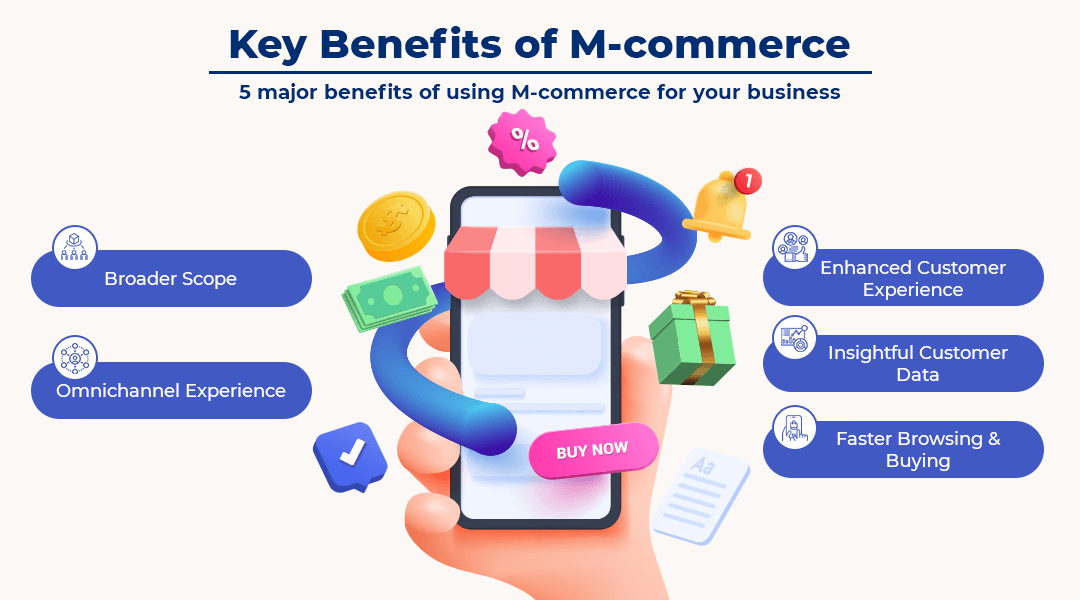
2. Mobile Commerce: A Store in Your Pocket
Remember the days when people only shopped from their computers? That’s ancient history. Mobile commerce is here, and it’s changing everything. But are you ready for the mobile-first world?
Let me introduce you to Tom. Tom owns a local sports gear e-commerce site. Despite offering great products at competitive prices, Tom noticed that most of his traffic came from mobile devices, yet his website wasn’t optimized for mobile. The user experience was clunky—pages took forever to load, and checkout on a small screen was a nightmare. As a result, Tom saw high bounce rates and abandoned carts.
Tom decided to invest in a mobile-optimized website and integrated a Progressive Web App (PWA) for seamless shopping on mobile. Suddenly, everything changed. His mobile traffic started converting, and he saw a 30% increase in sales within a month. Customers could now browse easily, make quick purchases, and even save their carts for later. They were able to shop with convenience, and that’s all it took to turn things around for Tom.
The Takeaway: Mobile-first isn’t optional anymore. If your website isn’t fully optimized for mobile devices, you’re likely losing customers before they even get a chance to browse your products. A smooth, fast, and responsive mobile experience is critical for keeping customers engaged.
How You Can Apply This:
- Invest in responsive design to ensure your website adapts to any screen size.
- Consider PWAs for a fast, app-like experience on mobile without the need for an actual app.
- Simplify your checkout process on mobile—make it as fast and frictionless as possible.

3. Augmented Reality (AR): Transforming the Way Customers Shop
Have you ever wanted to try on a pair of shoes or see how a sofa fits in your living room before buying? That’s where augmented reality comes in.
Let’s meet Mia, who runs an online furniture store. Mia’s customers often complained about not being able to visualize how her furniture would look in their homes. In response, Mia decided to integrate AR into her website. Now, customers could use their smartphones to see how a couch would fit in their living room or how a table would look in their dining space—all before making a purchase.
Not only did this reduce returns, but Mia’s sales surged as customers felt more confident in their purchases. They could see, touch, and experience the product—virtually—before buying.
The Takeaway: AR isn’t just a fun gimmick; it’s a powerful tool that can build customer trust and improve conversion rates. By offering immersive experiences, you make it easier for customers to make informed decisions.
How You Can Apply This:
- Implement AR tools for virtual product try-ons, especially if you sell fashion, accessories, or home goods.
- Allow customers to place products in their real-world environment through their mobile devices.
- Use AR to give customers an in-depth look at product features, such as 360-degree views.

4. Voice Commerce: Shopping with Your Voice
Imagine this: You’re cooking dinner, and your smart speaker says, “Your favorite sneakers are on sale. Would you like to buy them?” Without even lifting a finger, you say, “Yes.” Welcome to the world of voice commerce.
Let’s talk about Jake. Jake runs a successful online clothing store, but he noticed a strange shift—more and more of his customers were using voice search on their mobile devices. Curious, Jake decided to optimize his store for voice search. He made sure that product descriptions were conversational and that his site was SEO-friendly for voice queries.
Within a few months, Jake saw a 20% increase in orders placed through voice-activated devices. Customers loved the convenience of hands-free shopping, and Jake capitalized on this growing trend early.
The Takeaway: Voice commerce is on the rise, and optimizing for voice search is no longer optional. It’s the next step in the evolution of online shopping, where convenience and speed reign supreme.
How You Can Apply This:
- Ensure your product listings are optimized for voice search, focusing on natural language and long-tail keywords.
- Explore integrating voice-assisted shopping via devices like Amazon Alexa or Google Assistant.
- Simplify your product information so that it can be easily “spoken” and understood by voice assistants.

5. Sustainability and Ethical Consumerism: Building Trust with the Conscious Shopper
As shoppers become more aware of their impact on the environment, sustainability has moved from a “nice-to-have” to a must-have for many. But don’t worry, adopting sustainable practices doesn’t have to be overwhelming.
Take Emily, who runs a sustainable fashion store. She knew that her customers cared about the planet, so she worked hard to source eco-friendly materials, use biodegradable packaging, and ensure ethical labor practices. Emily shared these efforts openly on her website and social media, creating a sense of trust with her audience.
As a result, her customers weren’t just buying clothes—they were investing in a brand they believed in. Emily saw an increase in repeat purchases, word-of-mouth referrals, and higher engagement with her brand.
The Takeaway: Sustainability isn’t just a trend; it’s becoming a key factor in consumer decision-making. By aligning your business with ethical values, you’ll attract a loyal and passionate customer base.
How You Can Apply This:
- Source eco-friendly products and materials, and highlight them on your site.
- Communicate your sustainability efforts clearly, from packaging to shipping to sourcing.
- Consider adopting carbon offset programs or donating a percentage of sales to environmental causes.
Conclusion: Preparing for the Future of E-Commerce
The future of e-commerce isn’t a distant dream—it’s happening right now. Whether it's AI helping you personalize your store, AR giving customers an immersive shopping experience, or sustainability building a loyal customer base, the trends we've discussed are the pillars that will elevate your e-commerce business.
Remember the story of Sarah, Tom, Mia, Jake, and Emily? They faced challenges, but by embracing the right trends, they turned their businesses around and reached new heights. Now, it’s your turn.
Are you ready to take your e-commerce business to the next level? Let these trends be your guide. The future of online retail is bright for those who act—and it starts with you.
If you’re looking for expert guidance on implementing these trends into your business strategy, don’t hesitate to reach out to Site Magnetics. We’re here to help you navigate the future of e-commerce with tailored solutions that will set your business up for success.